

To address extended water scarcity and drought, 26 communities in the Valles Centrales of Oaxaca, Mexico self-organized to recharge shallow aquifers using small-scale managed aquifer recharge (s-MAR) interventions. These community-led efforts are taking place at a time when the state government is seeking to address water scarcity through large reservoir construction. As part of a larger study on community-led s-MAR in the Global South, we analyzed how s-MAR has affected local water availability and the drought cascade in our recently published article in Hydrogeology Journal https://doi.org/10.1007/s10040-026-03070-x. Our findings indicate that community-led s-MAR can be an effective technical intervention for reducing drought risk and increasing local groundwater availability.
In hydrogeology, a coherent understanding of groundwater dynamics is usually developed through extended, costly, and technical field campaigns. We applied a socio-hydro(geo)logical methodology by tapping into the knowledge and experiences of the local communities in combination with analysis of remote sensing data and focused, relatively short, field campaigns to unravel the hydrological properties of the rock formations and groundwater dynamics. We found this interdisciplinary approach also revealed technical and social factors that may support or undermine the implementation and long-term hydrological impact of s-MAR.
The research was a collaborative effort between the Water Resources Management Group | Wageningen University and Research (WUR), the Water Harvesting Lab|Università degli Studi di Firenze (UNIFI), the Hydrology and Environmental Hydraulics Group| WUR, Ecothropic, and community partners.
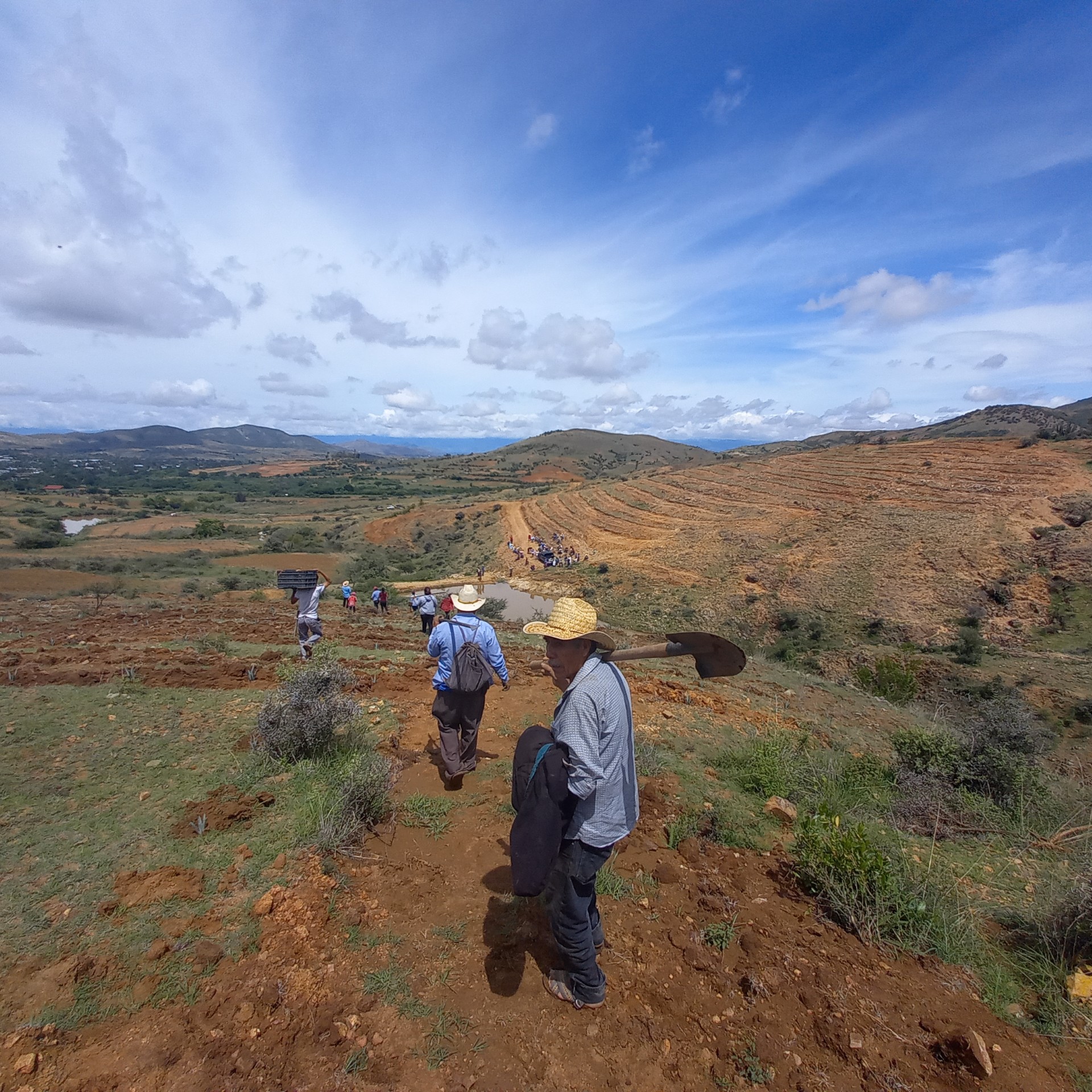
Photo credit: Roberto Velasco Herrera


